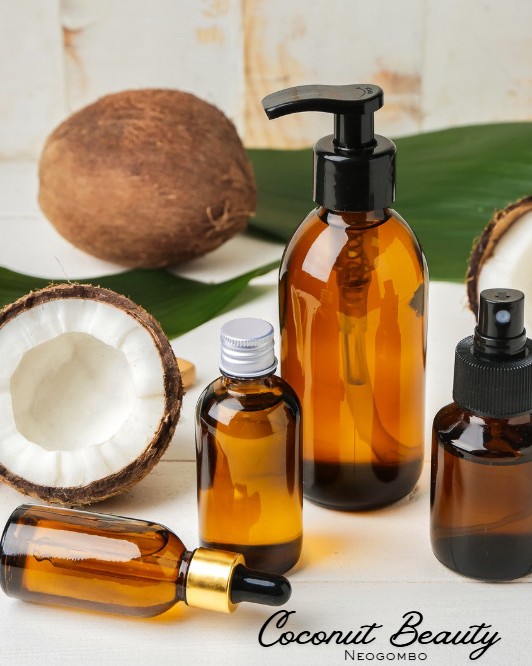
A recent article from Verywell Health takes a careful look at how coconut oil really works on the skin. Coconut oil is often promoted as a “miracle” natural moisturizer, but the article explains that its benefits depend a lot on your skin type and how you use it. Coconut oil contains anti-inflammatory, antioxidant, and antimicrobial properties, which means it can help soothe dryness, support the skin barrier, and protect against some germs on the skin’s surface. This makes it especially helpful for dry, sensitive, or eczema-prone areas such as elbows, knees, hands, and feet when used after bathing to seal in moisture.
At the same time, the article stresses that coconut oil is not the best choice for everyone, especially on the face. Because it is a rich, occlusive oil, it can clog pores in people who have oily or acne-prone skin. Instead of clearer skin, some users may experience more breakouts or congestion if they apply it too heavily. As the article notes, “coconut oil can help with dry skin and healing, but it may clog pores if your skin is prone to breakouts.” This balanced message shows that even natural ingredients must be chosen with care.
At Coconut Beauty Negombo, we agree with this science-informed approach. Coconut oil can be wonderful when used thoughtfully: in thin layers, on dry or rough areas, and paired with lighter steps like coconut-water toner. We encourage patch testing and adjusting routines based on how your own skin responds, rather than assuming one ingredient works for everyone. For our readers, this means listening to your own skin and treating coconut oil as a targeted treatment, not a cure-all. When in doubt, patch test and check in with a dermatologist if your skin is reactive.
Read the full article here:
Coconut Oil for Skin (Verywell Health)